
Digital twin advisory that
starts with your problem, not the technology
Whether you're exploring what a digital twin could do for you, or you're mid-build and need design confidence, or you have a twin that needs revitalising - we meet you where you are across the lifecycle
Most digital twin programs stall because teams jump to technology before designing the solution & change.
We've spent 10 years helping operations-led organisations work backwards from real-world problems to twins that actually get used.
Our advisory services follow a natural progression - but you don't have to start at step one. Get help where you are at and get help on how to move forward with confidence.
-
What: 120 minutes to find out if a digital twin makes sense for your operation - before you spend months finding out it doesn't.
Who it’s for: Senior leaders who keep hearing about digital twins and AI but can't get a clear answer on whether it's relevant to their operation, or where to start.
What you get:
A guided 120-minute session working through your specific operation & situation, not generic digital twin theory
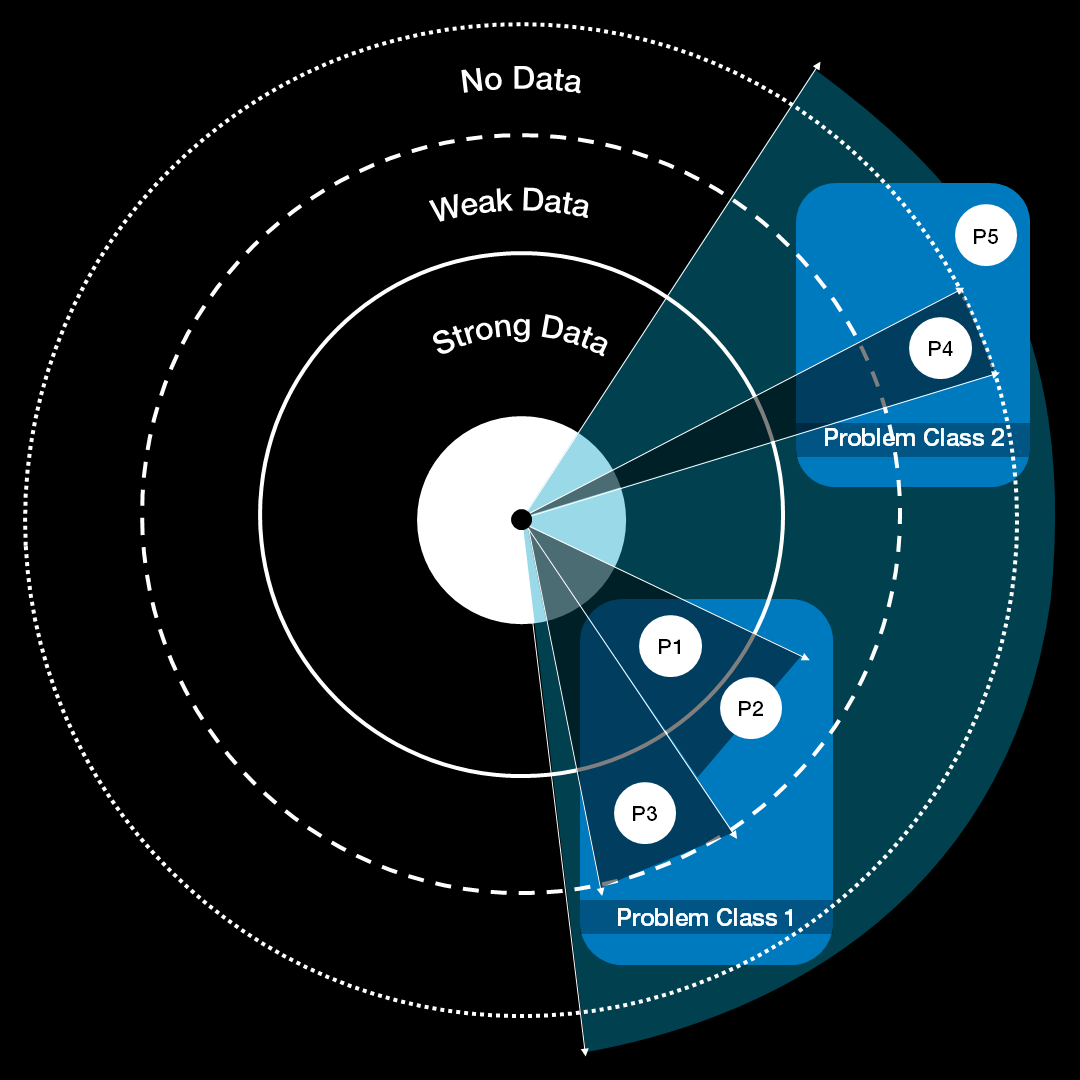
Opportunity mapping using twin-amenability logic - which problems are actually suited to a twin
A clear recommendation: Pursue, Not Yet, or Not a Twin
Strategy Session document within 5 business days
Follow-up call within 14 days
Investment: USD2,500
Guarantee: Worth Your Time - if you don't leave with a clearer view of your digital twin opportunity, you don’t pay.
-
A structured assessment of whether your organisation is ready to build a digital twin - across data, infrastructure, process, people, and problem clarity.
Who it’s for: Operations leaders who've decided a digital twin could add value and need to know what's required to get there.
What you get:
Stakeholder interviews across five readiness dimensions
Use case identification and prioritisation
Gap analysis with specific remediation recommendations
Readiness report with a go / conditional-go / not-yet recommendation
30-day follow-up call
Investment: USD10,000 (USD5,000 Deposit + USD5,000 Success Fee)
Timeline: 2 weeks from last interview (normally 1-2 wks duration for all your people to be available)
Guarantee: Clarity or No Success Fee - if the report doesn't give you a clear, actionable path forward.
-
Two days to align your team on what to build, why, and in what order - so your digital twin project starts with shared intent, not competing assumptions.
Who it's for: Operations and technology leaders who are ready to move forward but need their team aligned on the problem, the use cases, and the delivery roadmap before committing budget.
What you get:
2-day facilitated workshop (often split into 4 x half day sessions) using the Digital Twin Design Process
Day 1: Problem discovery and use case design
Day 2: Feasibility assessment, prioritisation matrix, and phased roadmap
20-40 page Output Pack delivered within 10 business days, including use case canvases, prioritisation matrix, delivery roadmap, and readiness gap register
Two 1-hour follow up review sessions
Investment:
Remote (up to 8 participants): USD20,000
On-site - enquire for pricing & availability
Timeline: 2 days + 10 business days for deliverables
Guarantee: Aligned or We Come Back - if your team isn't aligned on what to build and why after the follow up calls, we'll run a follow-up 1 day workshop session at no cost.
-
Ongoing advisory to make sure your digital twin is designed to be used, built to specification, and adopted by the people it's meant to help.
Who it's for: Companies actively designing or building a digital twin who need an experienced design partner to ensure the outcome matches the intent - from specification through to operational integration.
What you get:
Three tiers, matched to your stage and pace:
Bronze: USD3,500/month Monthly design check-ins and feedback. Best for early-stage projects where you need a sounding board and design review cadence.
Silver: USD8,000/month Fortnightly design reviews, active build advisory to product leaders, vendor procurement management. Best for teams in active delivery who want to protect design intent through the build.
Gold: USD14,000/month Weekly embedded advisory. Best for organisations running complex, multi-use-case programs where design drift is a real risk.
Three phases of support:
Design Alignment - user discovery, specifications, change design, roadmapping
Build Advisory - ensuring design intent survives the build, architecture reviews, scenario testing
Operational Integration - monitoring adoption, tuning learning loops, product feature request and discovery, roadmapping
Guarantee (Silver/Gold): Measurable or We Adjust - if the first use case doesn't show measurable improvement within 90 days, you get 1 month additional advisory at no cost.
Why Geminum
Site Twins: Our Site Twins deliver real world value globally every day. We design, build and support scalable, repeatable twins in critical operational, asset management and safety environments.
Wrote the book: "Designing Digital Twins" is the practitioner's guide to working backwards from real-world problems to twins that create measurable change.
Operations-first team: Our team comes from mining, manufacturing, infrastructure, IT & OT. We speak your language because we've worked your problems.
DTDP methodology: The Digital Twin Design Process is a structured, repeatable method for designing twins that solve real problems. Every service on this page uses it.
We will guide you on the design and validation of the overall solution so you can build or buy with confidence.
In rare cases we can also design, deliver & support your solution, especially if it is a cross-functional, advanced decision support tool.
Digital Twin Design Process (DTDP)

The Digital Twin Design Process (DTDP) is a structured process for working backwards from Problems and Desired Changes in the real world to usable and valuable digital twin and applied AI solutions.
Our CEO, Rob Foster, wrote the book on designing practical, pragmatic digital twins that create measurable value in the real world. Rob is invited to speak and deliver workshops globally to teams embarking on the digital twin journey.

Not sure which service fits?
Start with a conversation. We'll tell you honestly where you are and what makes sense - even if the answer is "you’re not ready yet."
FAQ - Frequently Asked Questions
What is the Digital Twin Design Process (DTDP)? The Digital Twin Design Process is Geminum's structured methodology for working backwards from real-world problems and desired operational changes to design usable, valuable digital twin and applied AI solutions. It ensures you validate the problem and design the end-to-end solution before you build or buy technology.
Do I need to buy new technology to get started with a digital twin? Not necessarily. Geminum's consulting approach starts by understanding your existing systems, data, and operational problems — then designs a solution that works with what you have. The goal is to validate the problem and design the right solution before any technology procurement, avoiding costly rip-and-replace projects.
What's the difference between a digital twin Owner and a Builder? Owners are the organizations that operate assets and use digital twins to improve operations — like mining companies or utilities. Builders are the technology companies that develop and deliver digital twin platforms. Geminum works with both: helping Owners develop business cases and specify solutions, and helping Builders validate market positioning and support product teams.
How long does a digital twin consulting engagement typically take? Engagements vary by scope. A focused discovery and design sprint can take 2-4 weeks. A broader digital twin program roadmap, including business case development and technical procurement support, typically runs 6-12 weeks. Geminum also offers ongoing coaching for product ownership teams managing digital twin delivery.
Can Geminum help us build a business case for a digital twin investment? Yes. Developing business cases that address real operational problems is a core part of Geminum's consulting services for asset owners. This includes identifying the right use cases, quantifying potential value, specifying the solution, and building the case for internal investment approval.